NetAdminTools.com
 
SignalQ Sites:
NetAdminTools - Coprolite - NoNIC - SpotBridge - NAW
RoboCoop - AreWeDown - SolarPower - SysAdminTools
Xfig - Gold Loaf - GeekPapa - FixGMC - MCJ - FixRambler
Categories:
GNU/Linux | Homebrew designs | Perl | Administration | Backup/Recovery | Bugs/Fixes | Certification | Database | Email | File/Print | Hardware | Information Grab Bag | Interoperability | GNU/Linux ABCs | Monitoring | Name Resolution | Network Services | Networking | Remote Control | Security | Desktop | Web | BSD | Solaris | GIAGD | REALbasic

Last 30 Days | Last 60 Days | Last 90 Days | All Articles | RSS | Hail Support


Categories:
·GNU/Linux
·Homebrew designs
·Perl
·Administration
·Backup/Recovery
·Bugs/Fixes
·Certification
·Database
·Email
·File/Print
·Hardware
·Information Grab Bag
·Interoperability
·GNU/Linux ABCs
·Monitoring
·Name Resolution
·Network Services
·Networking
·Remote Control
·Security
·Desktop
·Web
·BSD
·Solaris
·GIAGD
·REALbasic
·All Categories


Logging Performance Monitor Counters to SQL Server - Part 1
Topic: Monitoring   Posted:2007-03-01
Printer Friendly: Print

spacer
There are 4 parts to this article:
Part 1 - Part 2 - Part 3 - Part 4

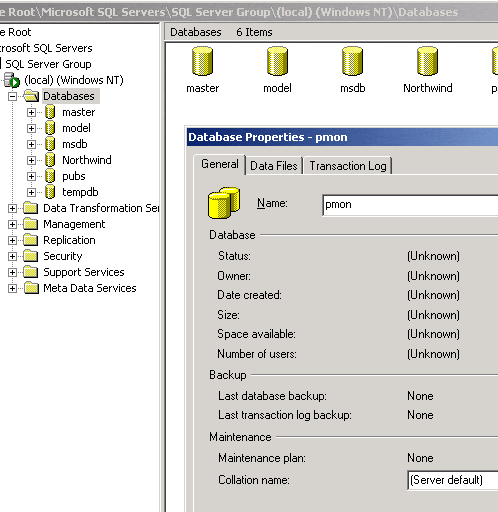
On Windows Server 2003, Perfmon counters can be logged directly to a SQL database. Let's do that. Create a database on your SQL Server. We called the database pmon:


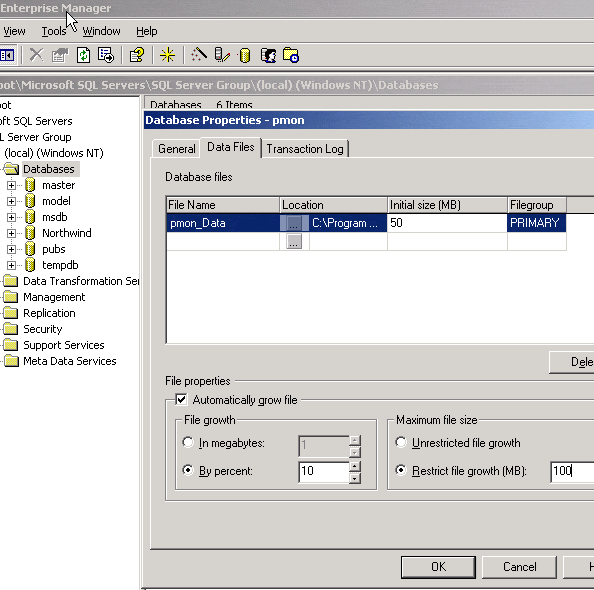
We'll create a device for the database with 50 megs and allow it to grow to 100 megs. Yours will certainly be larger:


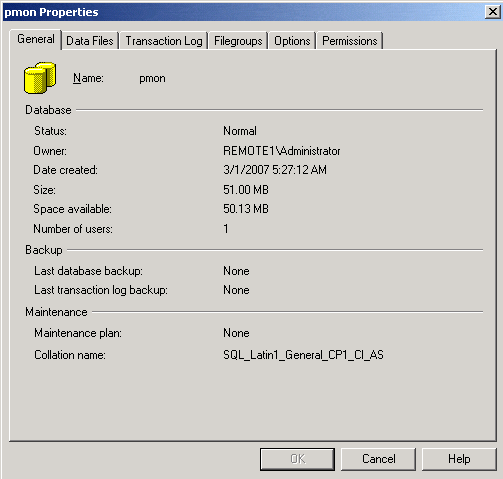
Here are the database properties of pmon:


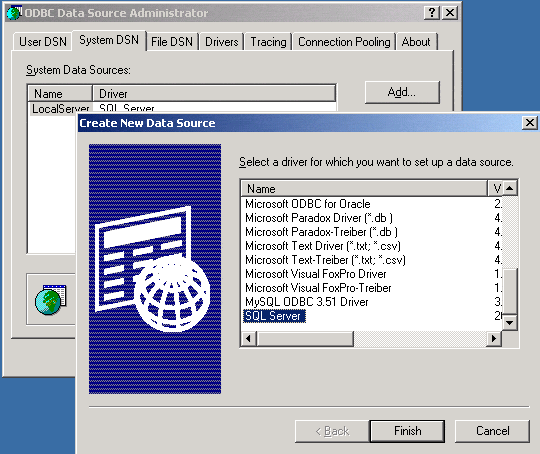
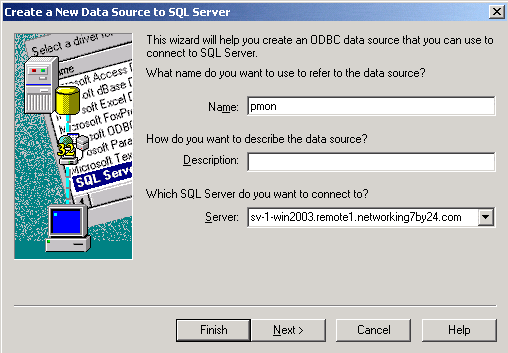
Performance monitor needs to connect to the database via an ODBC connection. Let's create a new SQL Server ODBC data source:


Fill in the name for the data source and the SQL server:


Next

There are 4 parts to this article:
Part 1 - Part 2 - Part 3 - Part 4


Please read our Terms of Use
Microsoft, Windows, Windows XP, Windows 2003, Windows 2000, and NT are either trademarks or registered trademarks of Microsoft Corporation. NetAdminTools.com is not affiliated with Microsoft Corporation. Linux is a registered trademark of Linus Torvalds, and refers to the Linux kernel. The operating system of most distributions that contain the Linux kernel is GNU/Linux. All logos and trademarks in this site are property of their respective owner. Copyright 1997-2008 NetAdminTools.com

Created by:
MCJ
MCJ CMS